Insights

Leading Change: Knowing What to Keep, What to Change, and When to Move

hange is easy to describe on paper. A new structure.A new strategy.A new team.A new way of working. But organizations are not pieces of paper. They are people, relationships, habits, histories, expectations, and sometimes very comfortable ways of doing things. Over more than three decades of humanitarian work, I have learned that leading change is

Leading Change: Knowing What to Keep, What to Change, and When to Move Read More »
What 34 Years in Humanitarian Work Taught Me About Leadership

After more than three decades working with the Red Cross and Red Crescent Movement across Asia, Africa, the Caribbean, and the Pacific, people sometimes ask me what leadership means. My answer has changed over the years. When I was younger, I thought leadership was about having the right answers. Today, I believe it is about

What 34 Years in Humanitarian Work Taught Me About Leadership Read More »

Trust: The Most Valuable Resource in Humanitarian Leadership

Every time I began a new humanitarian mission, I arrived with the same things: a contract, a job title, and years of experience.My organization had trusted me enough to send me. But trust with a new supervisor, team, National Society, partners, and communities could not travel with me from one mission to another.Experience may introduce

Trust: The Most Valuable Resource in Humanitarian Leadership Read More »

Leadership Is Measured by What You Leave Behind

Humanitarian assignments are temporary. We arrive, receive a title, take responsibility for a team or an operation, work for a few months or a few years, and eventually, we leave. Someone else takes our office. Someone else receives our title. The organization continues. So, after more than three decades in humanitarian work, I have increasingly

Leadership Is Measured by What You Leave Behind Read More »

Leading Through Relationships: Diplomacy, Negotiation and the Art of Finding Common Ground

Diplomacy is often associated with ambassadors, foreign ministries, and negotiating tables. But I learned diplomacy somewhere very different. I learned it while working in conflict zones and disaster-affected communities, negotiating access at checkpoints, supporting humanitarian work in prisons and hospitals, engaging with government authorities and community leaders, and sometimes simply sitting over a cup of

Leading Through Relationships: Diplomacy, Negotiation and the Art of Finding Common Ground Read More »

From Emergency Response to Long-Term Resilience

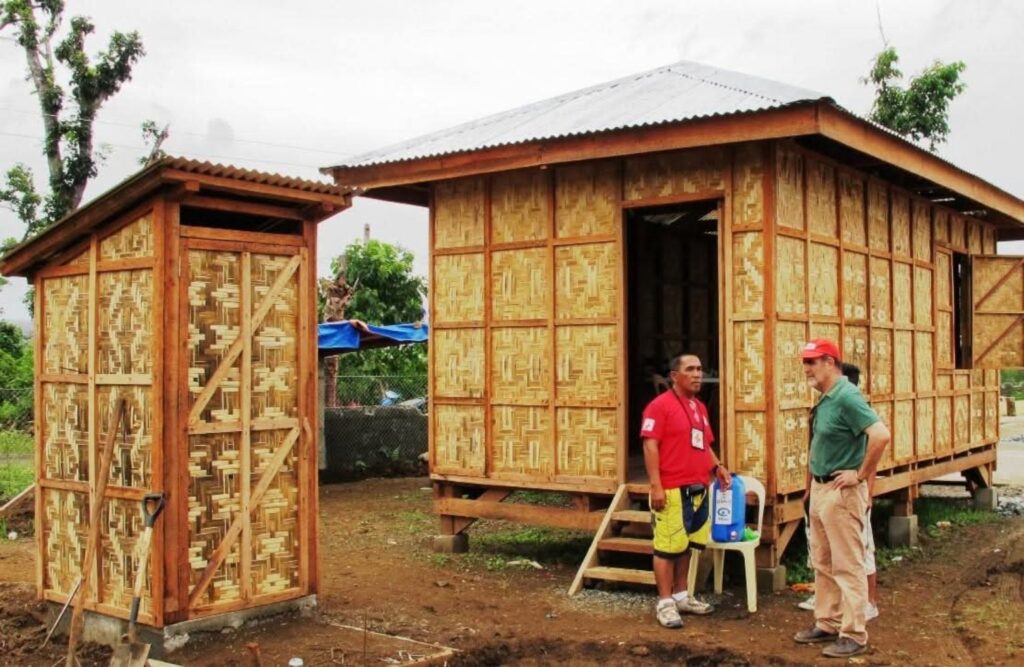
Part 1: When Emergency Response Must Become Recovery Four months after Super Typhoon Haiyan struck the Philippines, I arrived in a country that was no longer in the first days of an emergency, but was nowhere near recovered. That distinction matters. The television images of November 2013 showed the immediate catastrophe: communities flattened, families searching

From Emergency Response to Long-Term Resilience Read More »